


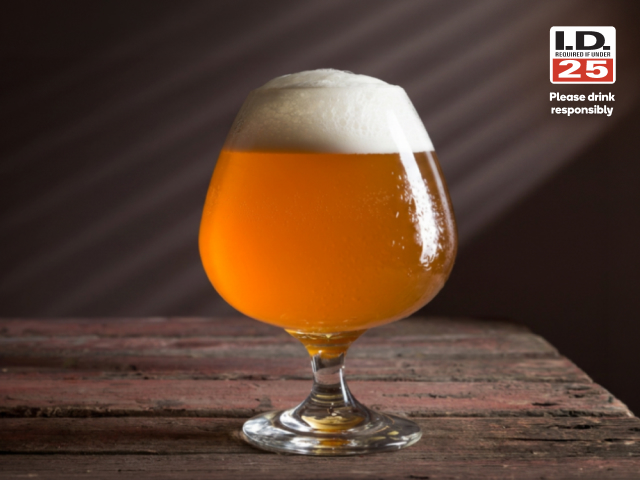
What is craft beer?
Craft beer made by breweries that produce smaller quantities of their liquid gold, and they’re often independent. New Zealand has some amazing craft beers, available at Woolworths – so get g to know the craft beer world.



Craft beer facts
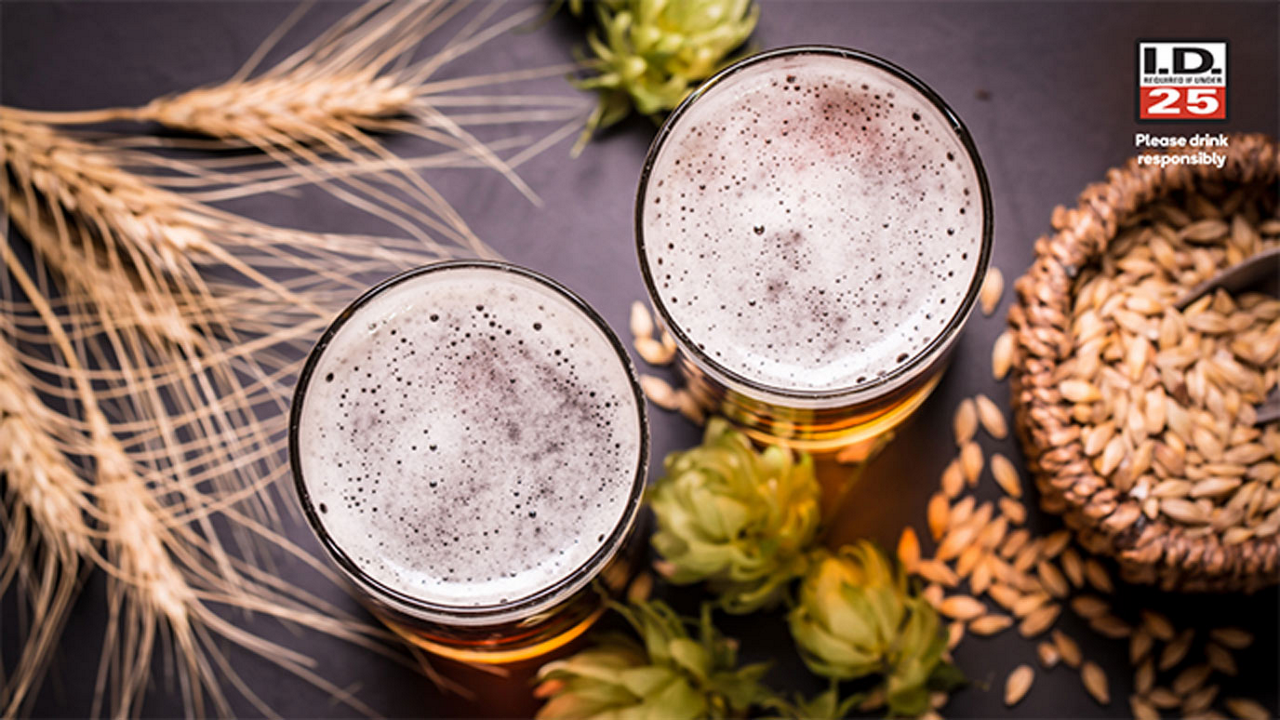
New Zealand craft beer trends
At 63% of alcohol sales, beer is the most popular tipple for Kiwis– that’s probably not a surprise. Our local craft beer industry is growing which means there are lots of lovely brews for you to discover. And New Zealand craft brewers have a massive advantage, because we’re at exactly the perfect latitude for barley and hops cultivation.
What’s the difference between normal beer and craft beer?
Apart from small-batch brewing, what makes a beer “crafty”? For a start, every brew is unique. Artisanal brewing lets the crafter play with flavours and techniques to brew beer brimming with their enthusiasm. Craft brewers work with the highest-quality ingredients they can, selecting the best hops, malt and yeast. With many amazing local labels available, and Woolworths always adding to the range, where should you start? Let’s explore some of the popular styles.

IPA
IPA is a great intro to craft beers. The letters are an abbreviation of India Pale Ale and it’s thought the style got its name when British brewers sent beer to India. It was too hot to brew there, and any beer sent from Britain had to survive the six-month journey, so brewers modified their recipe adding more hops (which are a preservative).
What’s the difference between West Coast and Hazy?
These days you’ll find many variations on the IPA style; the main two are West Coast IPA and Hazy. West Coast IPAs are clear, bitter and often have pine or citrus notes due to more hops being added in the kettle boil. Hazy IPA is cloudy to look at (it’s unfiltered), has a greater depth of flavour and more fruit character than other IPAs. The haziness is due to more hops being added at the end of the boil, after the boil or during fermentation. And because things are never simple, Hazy IPA is also known as New England IPA, juicy IPA or East Coast IPA.
IPA

Characteristics
You’ve probably gathered that IPA is hoppy. A rule of thumb is that they’re generally twice as hopped as lagers which means they’re more bitter. That said, Hazy IPAs are less bitter and taste creamier.

Flavour
It comes down to the brewer’s preference. Some IPAs are intense and bitter, some have strong citrus characters, and some have pine, herbal and earthy notes. It’s worth trying a few to see which you prefer.

Good food pairings
It comes down to the brewer’s preference. Some IPAs are intense and bitter, some have strong citrus characters, and some have pine, herbal and earthy notes. It’s worth trying a few to see which you prefer.
Pale ale
Pale ale is a great choice if you prefer a less hoppy brew; it’s the style IPA emerged from. Pale ale has been around for centuries; the term first cropped up in 1703 and it refers to the lighter coloured malt the beer is brewed with, not the colour of the beer itself. In fact your pale ale could be golden or amber. Because it’s less hoppy than IPA, pale ale is also lower in alcohol (and calories if you’re counting), so it’s a great choice for summer sipping.
Pale ale

Characteristics
Pale ale is full of flavour but not too heavy. English-style pale ales tend to have subtle herbal aromas. American-style pale ales are typically more floral, fruity and malty.

Flavour
Pale ale has some bitterness, but you’re more likely to pick up on the biscuity and bready character that comes from the malt. It can be fruity and floral and often has a lovely caramel whisper.

Good food pairings
Pale ale’s lighter hop flavour makes it a great match for cheeses and salty nibbles. It’s the perfect accompaniment to Mexican food, so get some in for Taco Tuesdays. It’s also great with fish and chips.
Pilsner
If you’re after a fantastic go-to, food-friendly, crisp and refreshing craft beer style, pilsner’s the one. It originated in the Czech Republic and is best described as a modern, pale lager. Brewed with soft water (which is lower in calcium and magnesium, and higher in sodium and potassium than hard water), pilsner malt and lager yeast (which is bottom fermenting at cold temperatures), it’s less hoppy than ales, but more than lager.
Pilsner

Characteristics
Pilsner ranges from a light, clear colour, to pale yellow. Depending on the style, you’ll find different levels of hop aroma and flavour. It’s characterised by lightly kilned malted barley and spicy hops, and it’s smoother and maltier than IPA.

Flavour
Think of pilsner as a spicier, hoppier lager. It strikes a great balance between malt and hop flavours. Pilsners are crisp, floral and refreshing, and some will have a fresh, cut-grass character with malty sweetness.

Good food pairings
Versatility is one of pilsner’s many charms – and that goes for food options, too. It’s great with lighter cheeses like havarti, delicious with fish and seafood, it accompanies salads well, and is a star with chicken.
Discover more
Red wine guide
Want tips, tricks and top red wine picks? Check out our expert’s tips on how to choose red wine
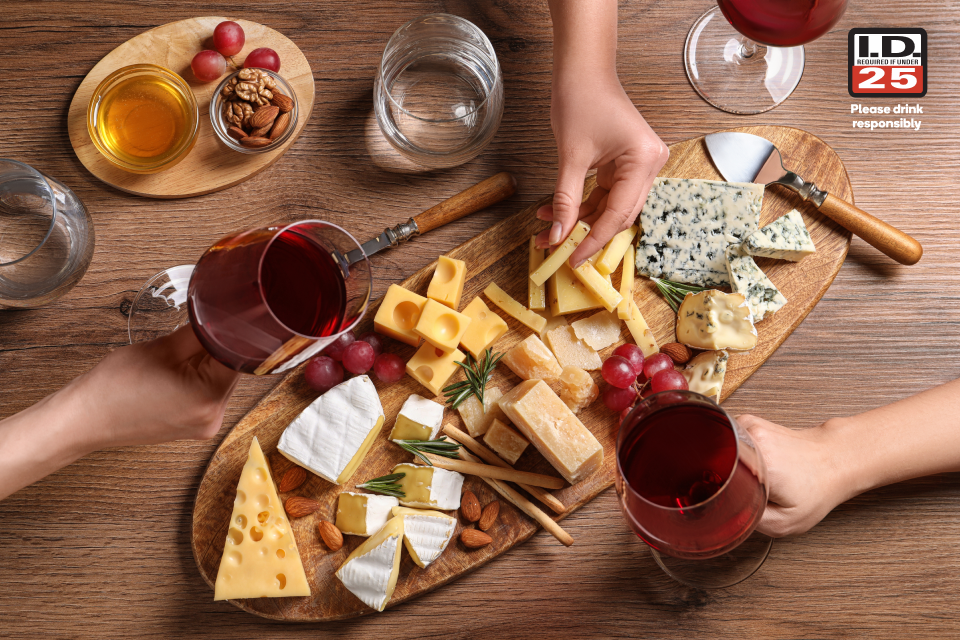
Wine and cheese pairing guide
With our guide, you can match the perfect wine with cheese to delight your taste buds.
Pairing New Zealand wines
Discover perfect food matches for local Sauvignon Blanc, Pinot Noir, Syrah and more.