

Regenerative agriculture for NZ vegetable growing
We partnered with LeaderBrand Produce and the Bioeconomy Science Institute to see how regenerative farming affects vegetable production and the health of our soils. This three-year programme (2022-2025), supported by the Ministry for Primary Industries, explored how some regenerative management practices can be used in intensive vegetable production in Aotearoa New Zealand to improve yields and long-term sustainability.
What is regenerative agriculture?
Globally, regenerative agriculture is gaining huge momentum as businesses explore methods of food production that work in partnership with nature to increase resilience. Regenerative agriculture is a way of farming that seeks to produce high quality food while at the same time making the land more productive and biodiverse over time. As stewards of the land, regenerative farmers are actively engaged in restoring soil health, supporting improving their communities, respecting animal welfare, and leaving the environment in a better state than they found it.
What was the project all about?
Four key workstreams
- Whether compost could be used as a nutrient source to improve soil health
- Whether cover crops could improve soil health
- Opportunities to restore ecosystems through planting efforts
- Perceptions of regenerative agriculture among consumers and the LeaderBrand team
What was the project all about continued
Trials with LeaderBrand
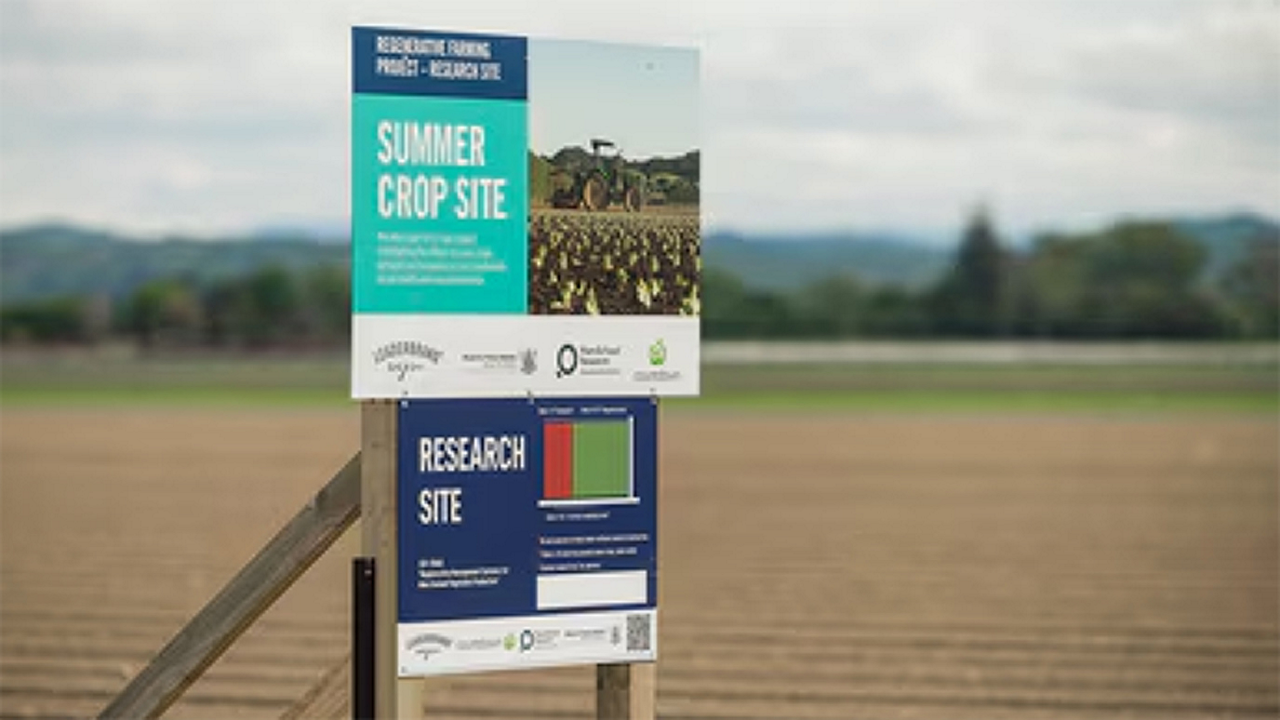
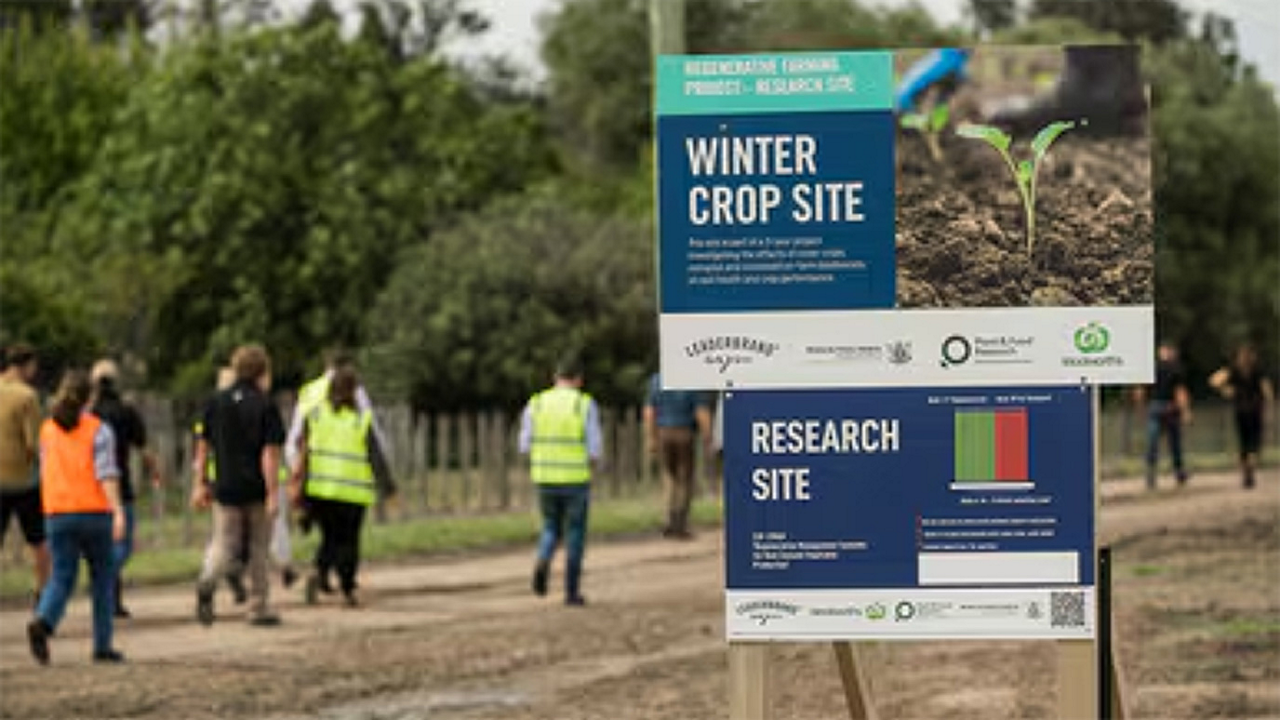
Our project compared how regenerative and standard management practices performed on different vegetable growing sites. We wanted to see if using compost and cover crops makes a difference. We conducted trials on two LeaderBrand vegetable production sites in Gisborne:
- Site 1 was a winter crop rotation site on sandy soil. The site was used for vegetables like baby spinach and lettuce with up to three crops established over the autumn through to late winter.
- Site 2 was a summer crop rotation on a Hauraki clay soil. The site was typically used for crop production from spring through to autumn. Crops included brassicas, sweetcorn and leafy greens.
Each site had two zones: a regenerative zone with compost and cover crops, and a standard zone with conventional fallow periods and no compost. Other farming practices remained the same.
Hosting field days
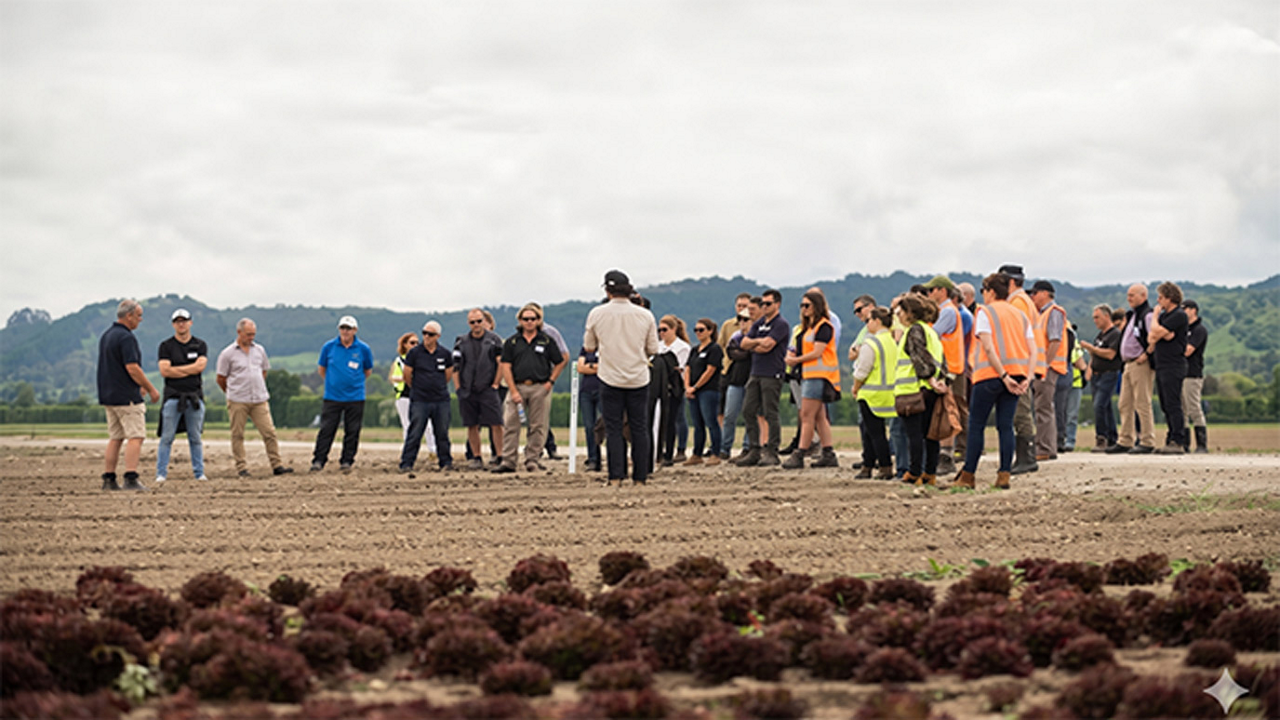
Hosting field days
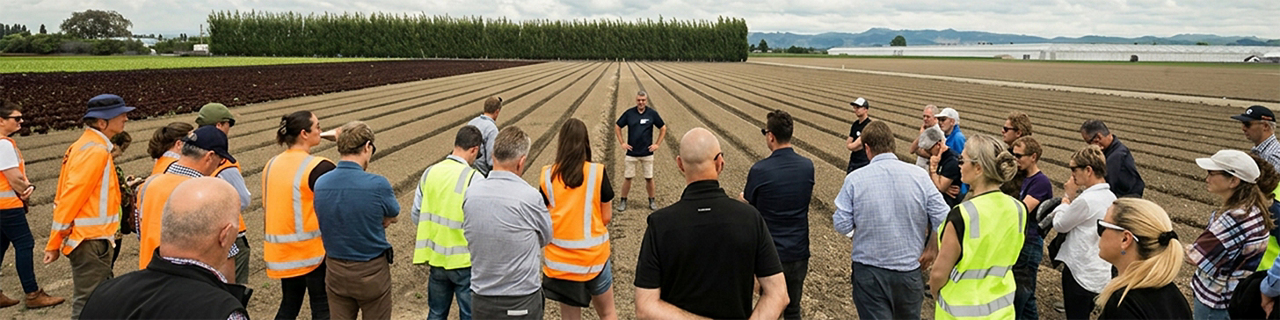
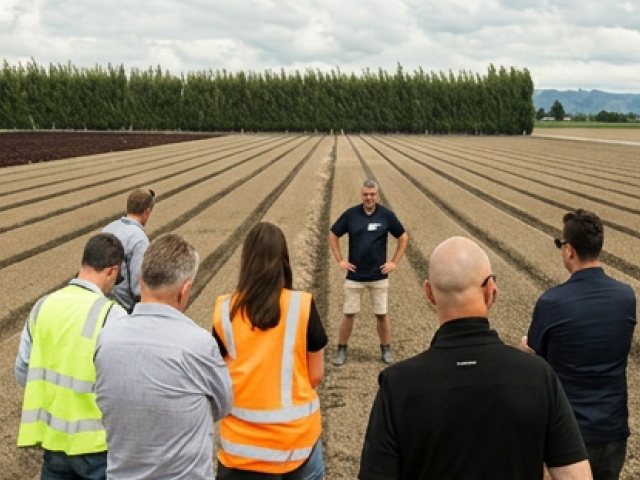
Over the course of the project, LeaderBrand and the project team hosted field days at the different trial sites to raise awareness of the work and share our learnings along the way. We talked through some of the challenges and opportunities we were seeing, to help build interest and excitement about using regenerative agriculture practices.
What were the results?
The trials showed some really positive results. Even within the two years of trials, certain methods like cover cropping brought definite improvements in soil health, crop yields and resilience to pests.
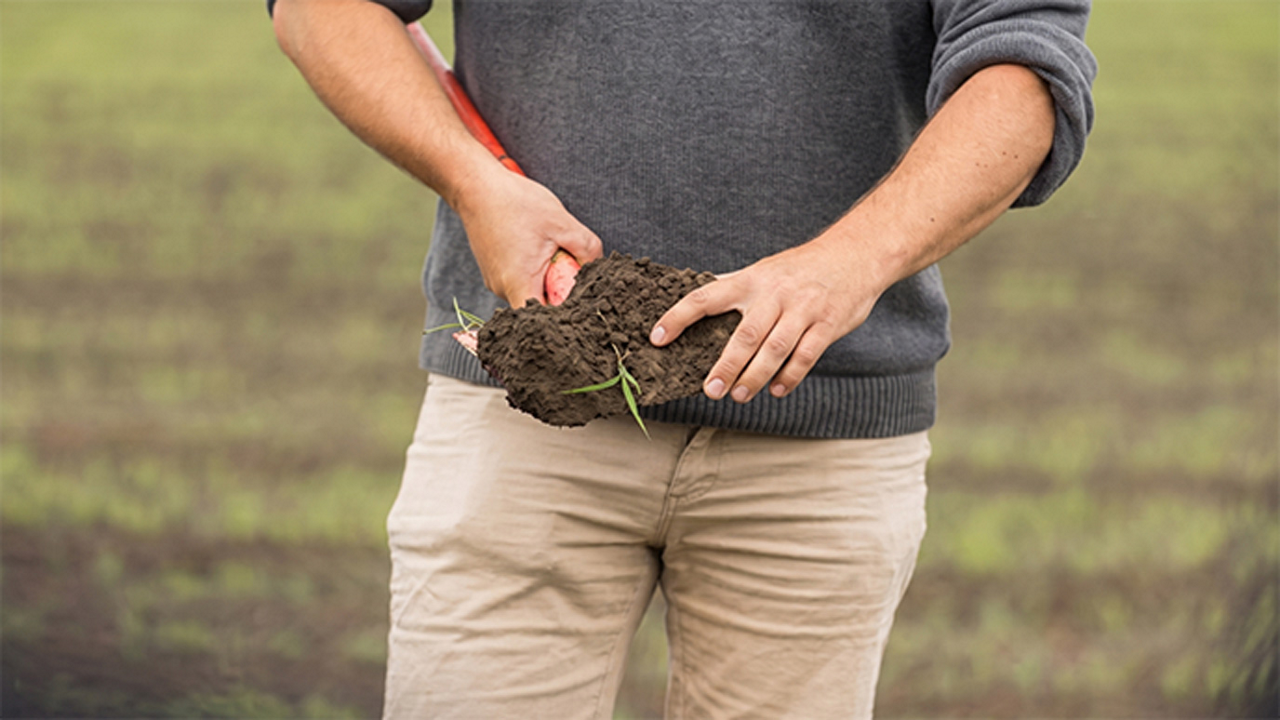
Healthier soil
Adding compost and planting cover crops like vetch improved soil health and boosted yields for most of the crops tested. One of them - mesclun (a type of lettuce) - saw nearly double the yields in the regenerative area compared to the standard growing area. At one site, the trials significantly improved soil tilth and aeration, which is good for plant growth.
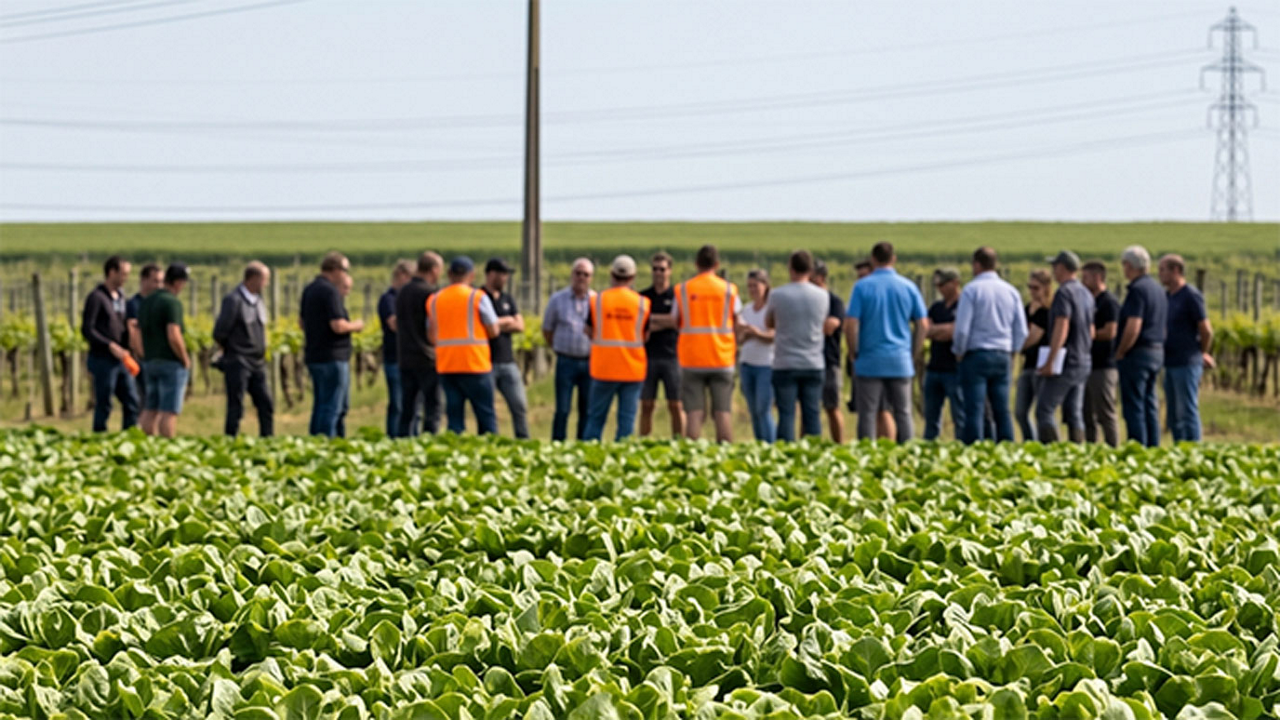
Synthetic fertiliser needs may be reduced
While cover crops add a bit more work and cost, they're worth it. Vetch, for example, adds nitrogen to the soil naturally. In one trial area, planting vetch meant that synthetic nitrogen fertiliser was reduced by a third, with comparable yield standard growing practices.
What next?
Regenerative agriculture offers a promising way to meet growing consumer demand for sustainably produced food. Our trials show that these practices can improve both yields and soil health, even in intensive farming systems.
We are committed to supporting wider adoption of regenerative agriculture. We're sharing these findings with our growers and exploring investing in further research, as we recognise that longer-term trials are also needed to fully understand which practices get the best results in different conditions.
For more detailed information on the trials we’ve done to date, read our Project Whitepaper.