

Meal planning in 3 easy steps
Are you stuck for dinner ideas come Wednesday? Tossing out forgotten veggies at the end of the week? Spending more than you’d like on takeaways just to save time?
With a little forward thinking, you can skip the “what’s for dinner?” stress, cut down on food waste and keep your grocery budget in check. To give you a helping hand, Marj Hermanoche, our in-house supermarket dietitian, has broken down the ultimate practical guide to mastering your weekly shop. Explore our handy links below to get started, and scroll down for Marj’s top meal planning tips.
Meet Marjial Hermanoche, our health and nutrition manager and a registered dietitian.

Meet Marj Hermanoche, our Health & Nutrition Manager
As a New Zealand Registered Dietitian with a background in clinical and public health, Marj is uniquely positioned as the country’s only in-house supermarket dietitian. She brings a practical lens to your weekly shop, and is on a mission to make healthier choices inspiring and simple for you and your whānau.
Meal planning in 3 easy steps

Choose your menu
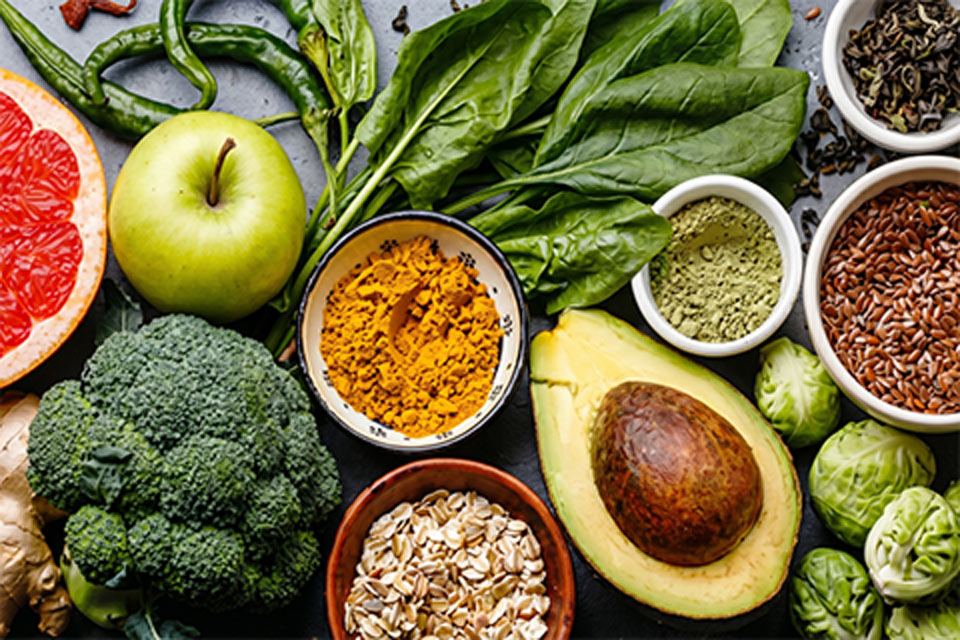
Pick your favourite meals from our selection of quick, delicious, and nutritious recipes
Shop the specials
Planning your meals around seasonal produce and current specials is the easiest way to save. See what’s on offer this week.
Delivery Saver
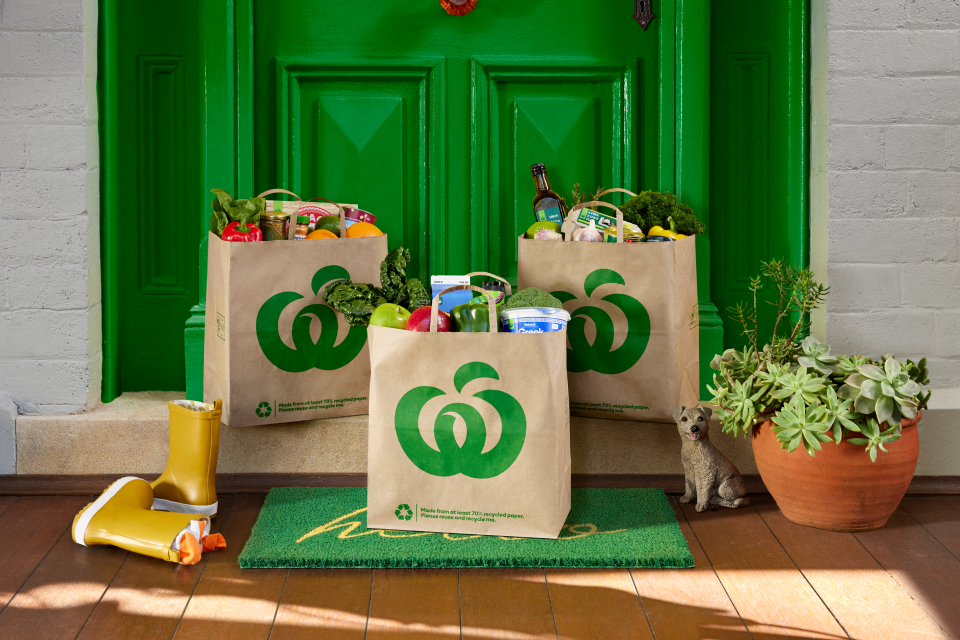
Order every week? Get unlimited deliveries for less than $6.50 per week on all orders over $100. Start your 30-day free trial today. Cancel anytime.
Master your weekly shop
Stretch your budget further with these practical strategies to buy only what you need. Check out Marj’s top tips for getting the most out of every bite.
Shop smart from the start
Shop smart from the start
Planning your meals and checking your fridge and cupboards before you shop goes a long way. To stay on track, avoid heading in-store hungry, or save time by ordering online for delivery or click & collect.
Compare unit pricing
Get into the habit of checking the “cost per 100g” on in-store shelf labels or using the online filter. It is the easiest and most accurate way to compare real value for money across different pack sizes and brands.
Choose value swaps and pantry staples
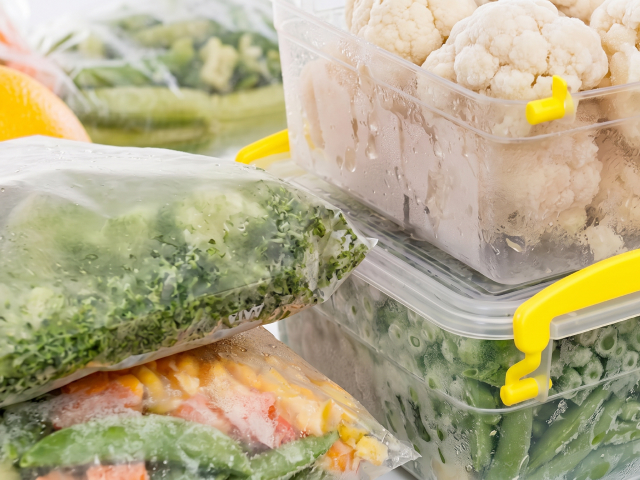
Supermarket own-brand products offer fantastic everyday value, and you can use Health Star Ratings to quickly compare nutrition. Don’t forget to explore the frozen and canned aisles for budget-friendly fruits, veggies, and legumes.
Make your ingredients go further
Bulk out meals with legumes
Add a can of lentils or beans to dishes like Bolognese or casseroles, or use them to swap out half the meat. It effortlessly creates extra portions for tomorrow’s lunch while instantly boosting your fibre and protein.
Store fresh produce correctly
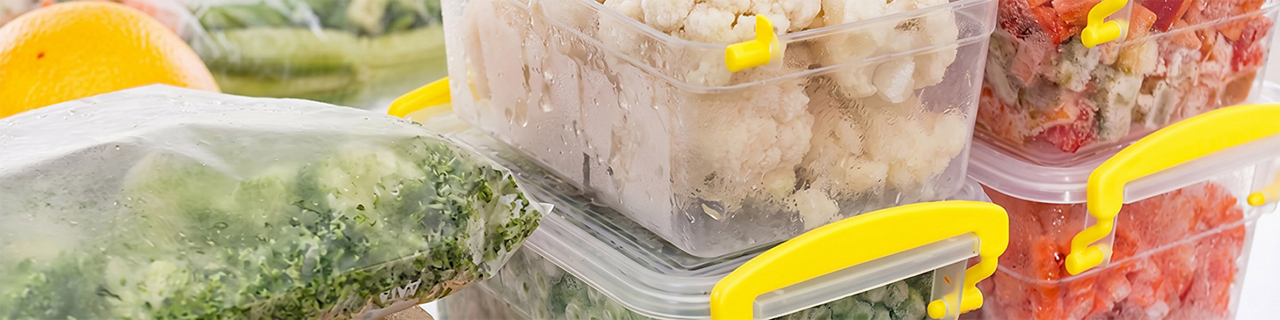
Proper storage stops food from spoiling too quickly, like keeping bananas away from other fruit or storing potatoes in a cool, dark place. Plan what you can finish - like freezing sliced bread for up to three months if you can’t get through a loaf.
Rethink your kitchen scraps
Don’t be quick to throw away edible parts of veg like broccoli stalks! Simply trim the edges and toss them into your meal just like the florets. Rogue pieces like veggie peels can also be frozen to simmer into a rich, budget-friendly soup or stock later.
Love your leftovers
Cook once, eat twice
Leftovers for lunch are a great way to save time, money, and energy. Try doubling your dinner recipes for an easy next-day meal. Just remember to pack fresh components like leafy salads separately and add dressings right before serving.
Get creative with repurposing
Transform odds and ends into brand-new dishes. Toss leftover meats and loose veggies onto a quick pizza base, mix them into a fresh pasta salad, or whip up a simple fried rice. It’s the ultimate shortcut to a budget-friendly “fakeaway” at home.
Give ingredients a second life
Toss overripe bananas into the freezer for smoothies, bake stale bread into crunchy croutons, or pour extra sauces into ice cube trays for later. Anything left over can be composted to nourish your garden.


Shopping for specialty diets
Shopping for specialty diets
If you or someone in your family has specific dietary requirements, it can be tricky to find products that suit. Check out our guide to shopping for specialty diets- including gluten free, dairy free, low sugar, vegan and vegetarian products.