


Christmas ham how-tos
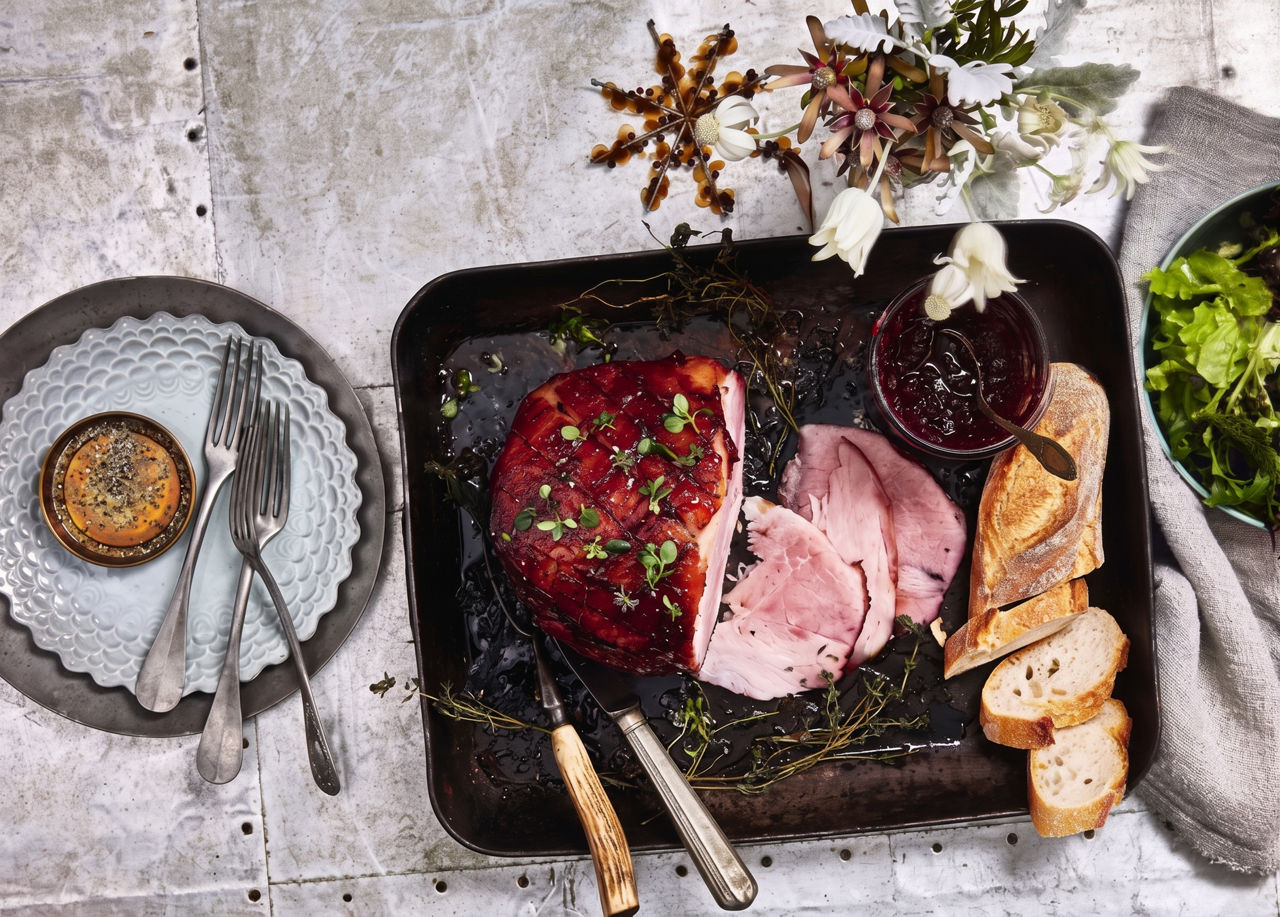
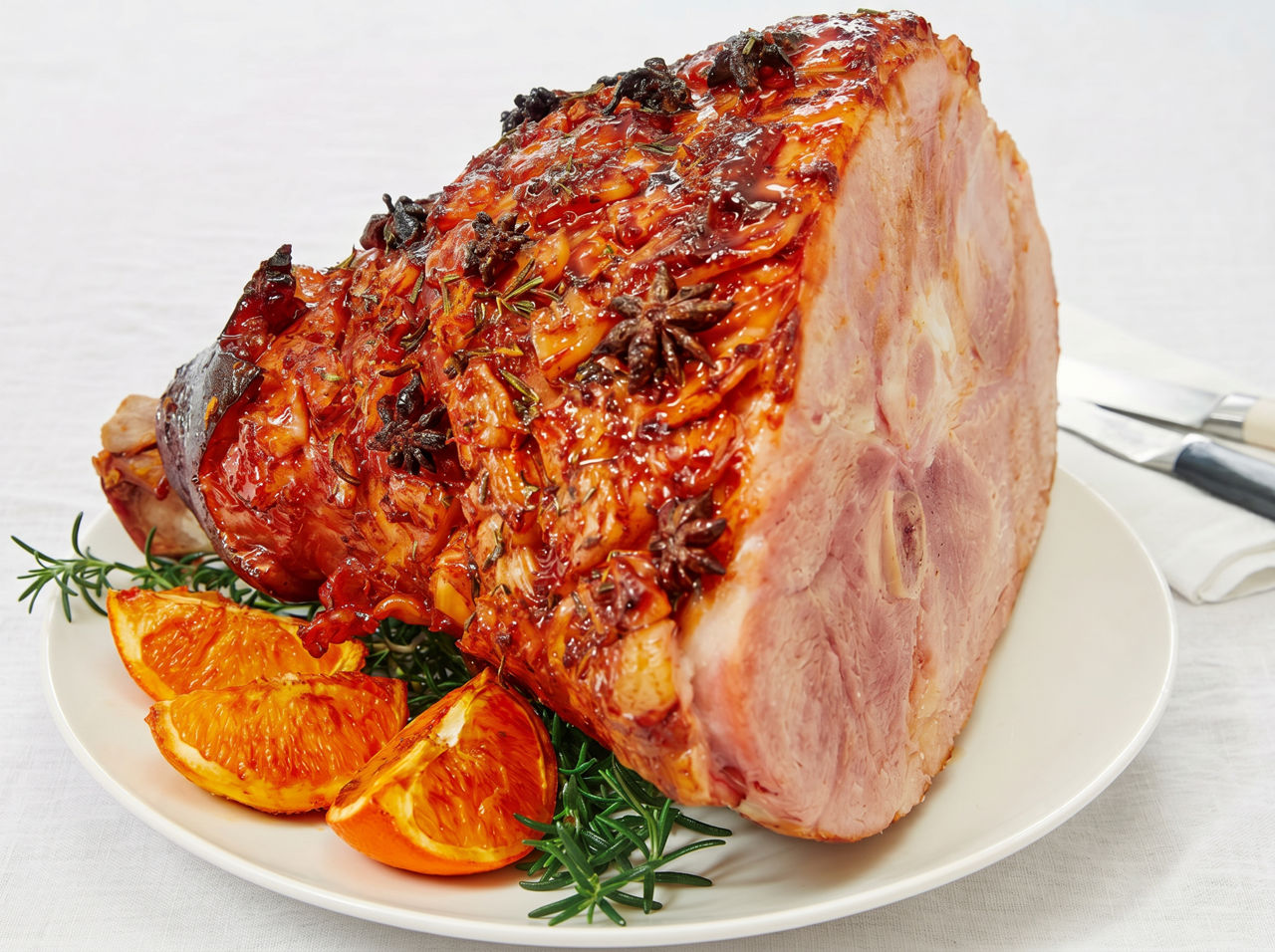
The tree is twinkling, carols are playing, and at the heart of your table is a Cherry and Spice Glazed Ham waiting to be carved. Welcome to ham school – how to pick the right size, how to carve, and how to store.
Ordering enough ham
Ordering enough ham
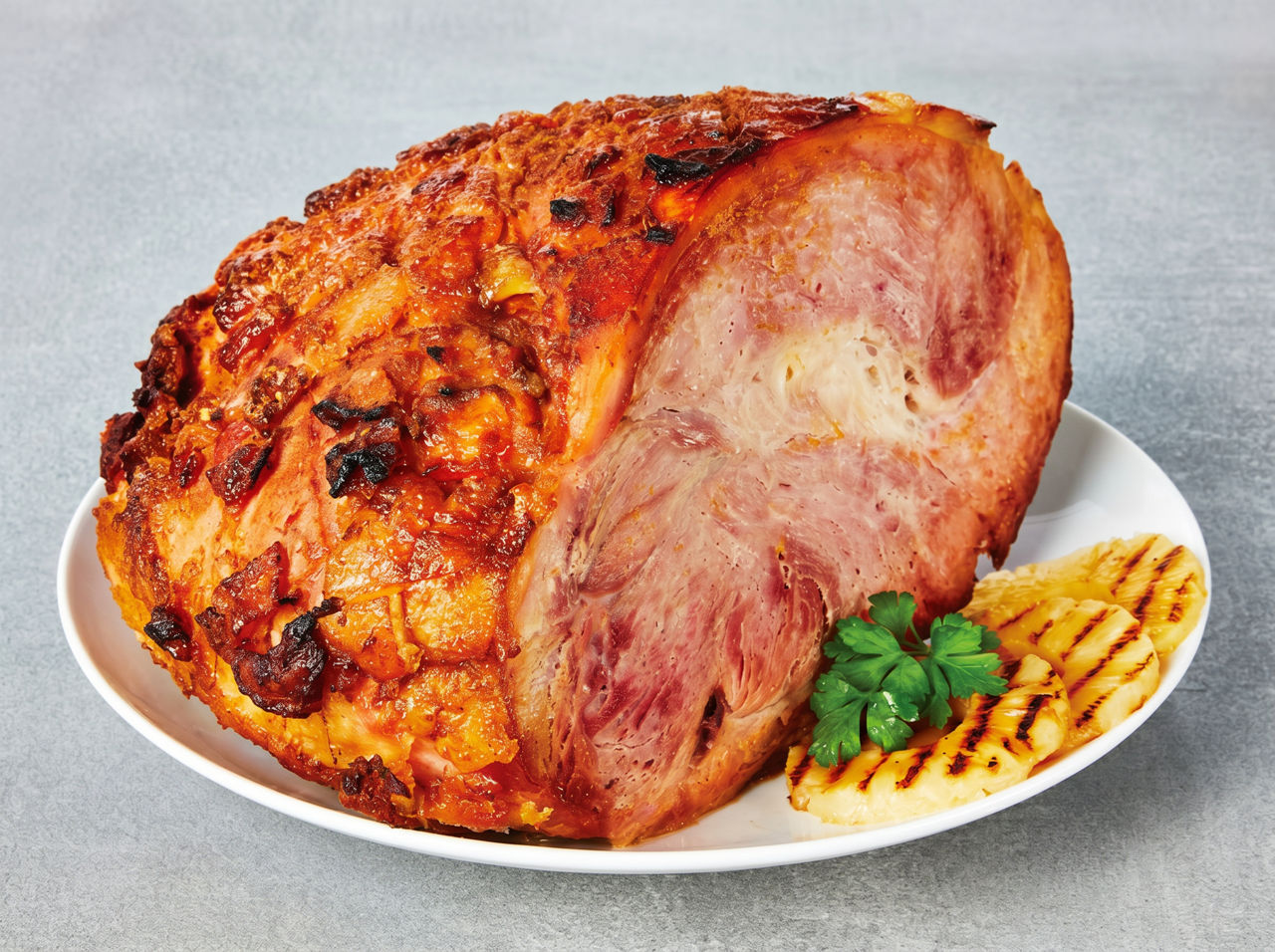
Aim for 350g per person if ham is the main event and is on the bone. If there are other mains on offer, around 250 to 300g per person will do.
How to carve a ham
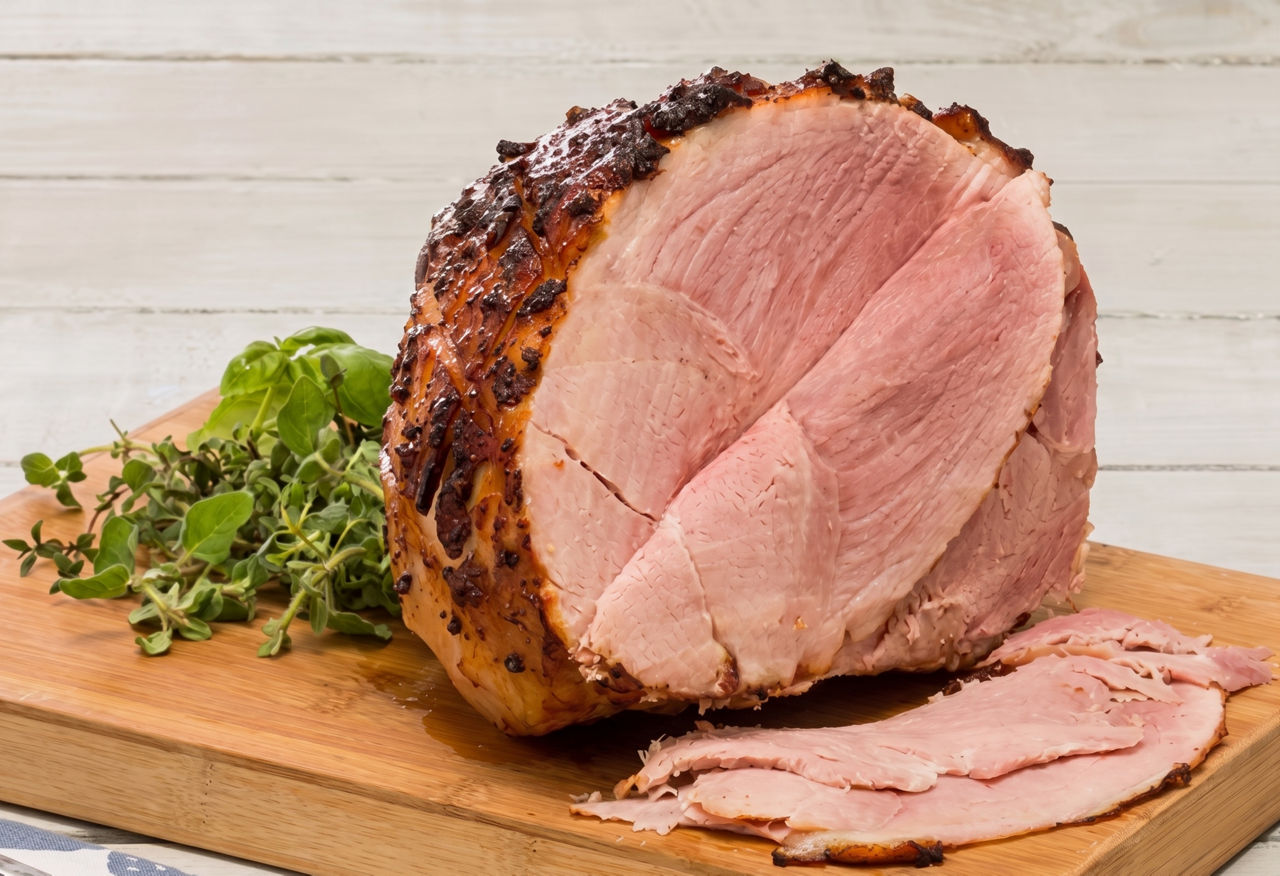
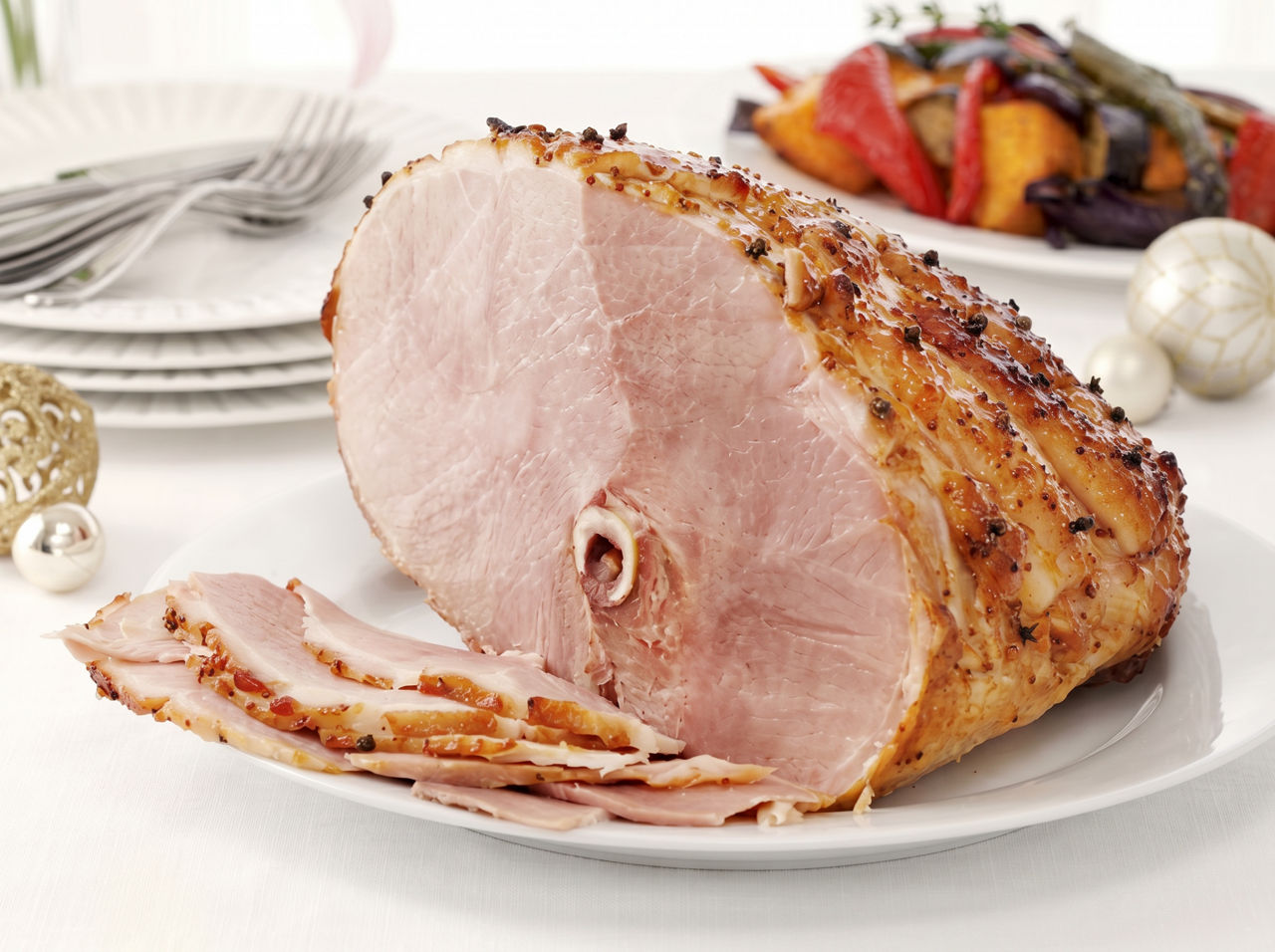
How to carve a ham
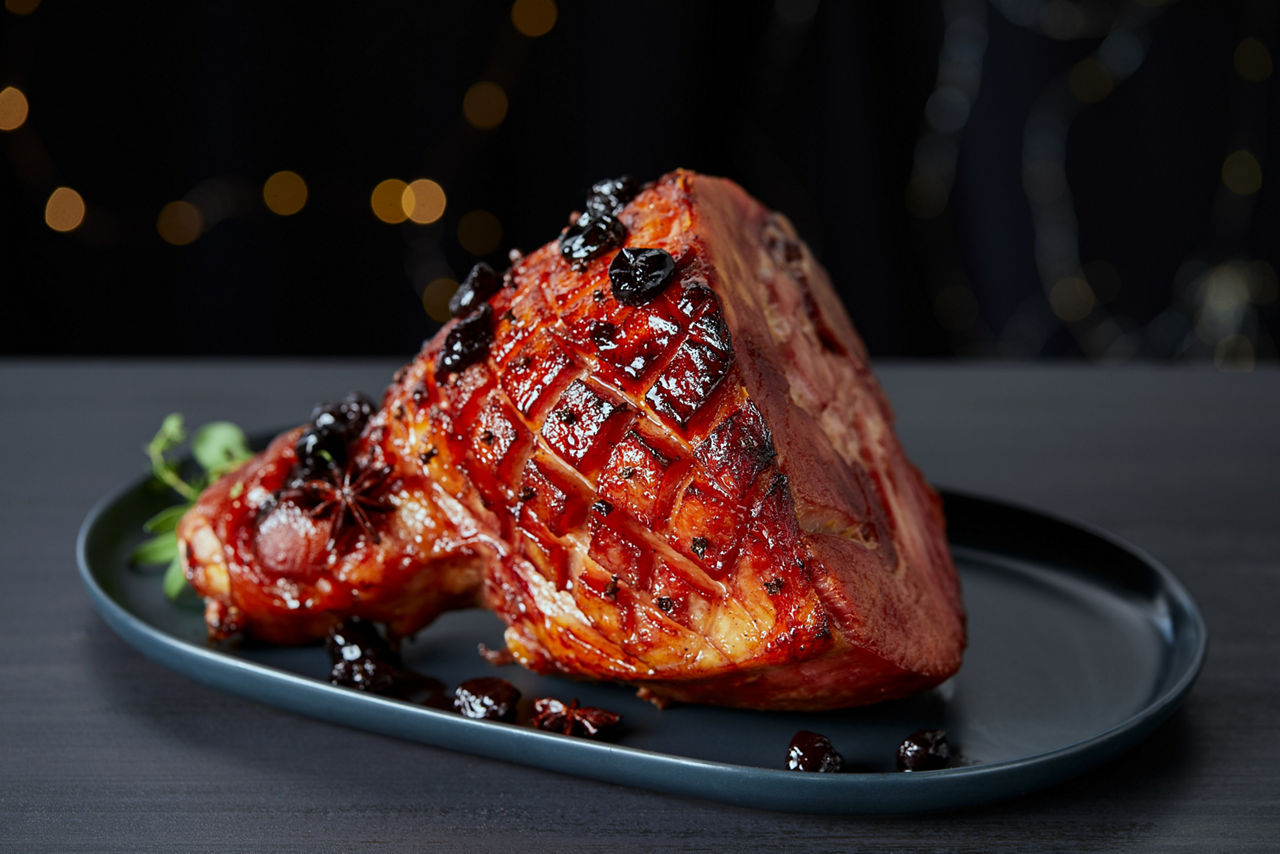
- Cut two slices from the base of your ham to sit it flat on your chopping board.
- Start slicing at the narrow end of the ham down towards the bone on an angle, releasing slices as you go.
- Continue along the bone until you reach the end.
- Begin slicing on one of the uncut sides of the bone.
- Then slice the other side of the bone.
- Turn the bone over and slice the ham from the bottom.
Leftover ham ideas
After you’ve baked your ham, do not freeze it. This is because it has already been cooked twice (curing and baking). Store pieces of baked ham in an airtight container in the fridge for up to 2 weeks.
Leftover ham is the Christmas gift that keeps on giving. From breakfast on Boxing Day right into the New Year, enjoy it in sammies, omelettes, pasta, risotto, fritters and more.
How to use a ham bag
Soak the bag
Mix 4 cups of water with 2 tbsp of vinegar, then soak a ham bag, pillowcase, or tea towel.
Wrap your ham
Squeeze out excess liquid, then place your ham inside the damp bag or towel.
Refresh regularly
Re-soak and wring out the fabric every few days whenever it starts to dry out.
Store in the fridge
Keep your ham in the coldest part of your fridge for up to 2 weeks.
Store uncooked ham
Freeze large portions
Wrap ham tightly in foil inside freezer bags or an airtight container. These will keep for up to 3 months.
Layer your slices
Lay slices of ham flat like bacon rashers, so they’re easy to separate when thawing.
Save bones or hocks
Don't toss the bone or hocks – use them to add rich flavour to broths and stocks.