


The power of protein
Protein is more than a buzzword – it’s essential fuel for your body to thrive. But knowing how much you need (and where to find it) can be confusing. Backed by our in-house dietitian, we’ll show you how to optimise your intake and fuel your family for less.
Note: If you are planning to change your diet or have specific health concerns, please speak to your health professional first.


Meet Marjial Hermanoche, our health and nutrition manager and a registered dietitian.

Meet Marj Hermanoche, our Health & Nutrition Manager
As a New Zealand Registered Dietitian with a background in clinical and public health, Marj is uniquely positioned as the country’s only in-house supermarket dietitian. She brings a practical lens to your weekly shop, and is on a mission to make healthier choices inspiring and simple for you and your whānau.
The importance of protein
What is protein and why do you need it?
Think of protein as your body’s building blocks. It is made up of 20 different amino acids.There are nine essential amino acids that you can only get from food. These are vital for repairing muscle, fueling growth and keeping you strong.
Where to find it?
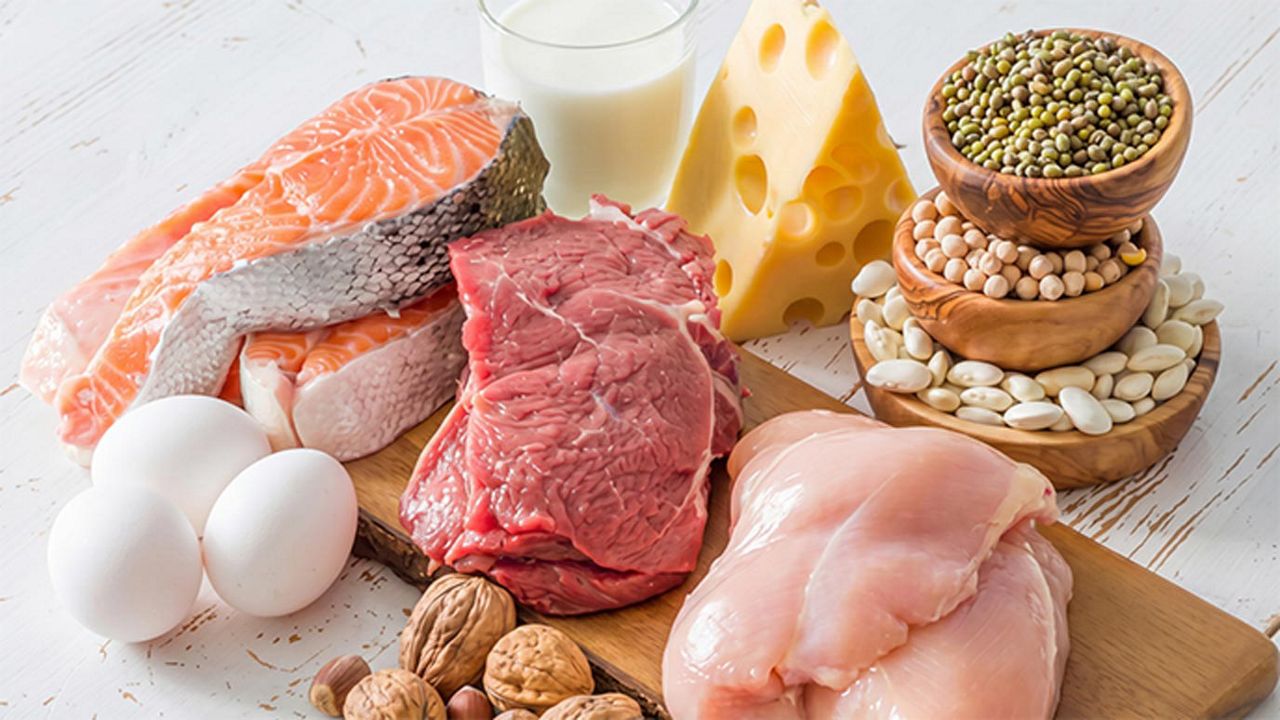
Animal products, soy, quinoa, buckwheat and hemp seed are ‘complete’ proteins. Other plant foods like nuts, beans and grains are also excellent sources – simply enjoy a variety of them throughout the day to give your body everything it needs.
The benefits of protein

Protein maintains your muscles
Your body is constantly working to repair and rebuild itself. To do this effectively and keep your muscles strong, it relies on a steady supply of protein from a balanced diet.

Protein fills you up
Protein helps you feel satisfied for longer. Including a source of protein at every meal is a simple way to manage your appetite, keep energy levels steady and avoid the mid-afternoon slump.

Protein helps build stronger bones
It works alongside calcium to keep bones dense and strong. Getting enough protein is vital for healthy aging and preserving bone mass, especially for women after menopause.
How much protein do you need?
How much protein do you need?
Standard guidelines recommend a minimum of 0.8g of protein per kg of body weight to prevent deficiency. However, recent research indicates that a range of 1.2 to 1.6g per kg better supports muscle health, metabolic function and active living.
For a 70kg person, this translates to a target of roughly 84g to 112g of protein daily.
Most New Zealanders can easily reach these targets through a balanced diet across the five food groups. However, because individual needs vary significantly based on age, gender and activity levels, we recommend speaking to a health professional for tailored advice – especially for athletes, teenagers, older adults or those who are pregnant or breastfeeding.
Top tips to increase your protein
Prioritise protein at breakfast
Most of us get plenty of protein at dinner but miss out in the morning. To keep your energy stable and curb cravings later, aim for 20–30g of protein in your first meal – think eggs, Greek yoghurt or a smoothie with protein powder.
Make easy upgrades
Top your oats with seeds or crushed nuts, swap butter for peanut butter on your toast or try legume-based pasta for dinner. These simple, everyday switches can easily add an extra 10g of protein to your day without changing your whole routine.
Mix your sources
You don't have to choose between meat and plants – try both! Adding lentils or chickpeas to your mince dishes is a great way to boost fibre, save money and keep your protein intake high.
Power up your snacks
To keep hunger at bay between meals, aim for snacks with 5–10g of protein. Great choices include a handful of nuts, a pottle of yoghurt, two hard-boiled eggs or tuna on crackers.